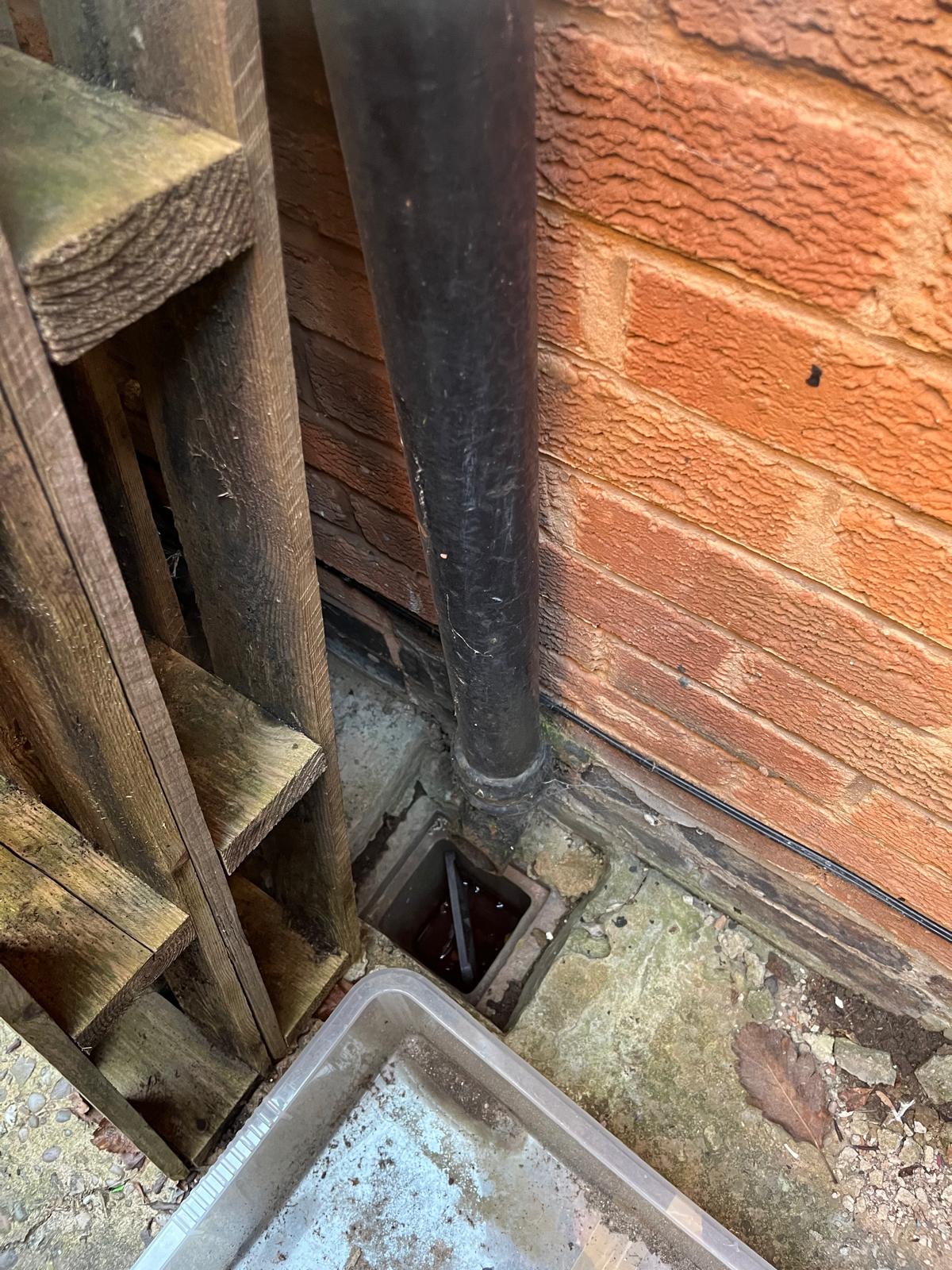
Rats in Coventry: Signs You Have an Infestation
If you have started hearing scratching noises in the walls, spotting droppings in the kitchen, or noticing strange smells around your home, you may be dealing with a rat infestation. Rats are one of the most common pest problems we tackle across Coventry, homes, commercial premises, restaurants, and farms.
Unfortunately, rats rarely go away on their own. A small problem can quickly become a major infestation if left untreated. Knowing the early warning signs can help homeowners and businesses in Coventry act before serious damage occurs.
In this guide, we explain the most common signs of rats, why infestations happen, the health risks involved, and what you should do if you suspect rats are in your property.
Why Rats Are Common in Coventry
Like many urban areas across the UK, Coventry provides ideal conditions for rats to thrive. Dense housing, food waste, drainage systems, construction work, and access to shelter all contribute to growing rodent activity.
Rats can be present both old and new properties and terraced housing can be particularly vulnerable because rats can move easily through wall cavities, lofts, drains, and shared spaces between homes.
Rats are especially active during colder months when they search for warmth and food indoors. However, infestations can happen at any time of year.
Common places rats are found include:
- Loft spaces
- Kitchens
- Garages
- Commercial kitchens
- Bin storage areas
- Gardens and sheds
- Wall cavities
- Drainage systems
The Most Common Signs of a Rat Infestation
1. Scratching Noises in Walls or Ceilings
One of the earliest signs of rats is hearing scratching, scurrying, or movement noises.
Rats are nocturnal, meaning they are usually most active at night. Many homeowners in Coventry first notice activity after going to bed.
You may hear:
- Scratching in lofts
- Movement behind walls
- Gnawing sounds
- Running across ceilings
- Activity under floorboards
If the noises happen consistently during the night, rodents are a strong possibility.
2. Rat Droppings Around the Property
Rat droppings are one of the clearest signs of an infestation.
Rat droppings are:
- Dark brown or black
- Capsule-shaped
- Roughly 10–20mm long
You may find them:
- Under kitchen sinks
- Behind appliances
- In cupboards
- In loft spaces
- Near bins
- Along skirting boards
If you discover multiple droppings in several areas, the infestation may already be established.
3. Gnaw Marks and Damage
Rats constantly gnaw to keep their teeth from overgrowing. This can lead to significant property damage.
Common signs include:
- Chewed wood
- Damaged wires
- Gnawed plastic pipes
- Torn food packaging
- Bite marks on skirting boards
This damage is not just inconvenient it can also become dangerous. Rats are known to chew electrical cables or pipework, increasing the risk of electrical fires and burst pipes.
4. Strong Unpleasant Smells
A persistent musky or foul smell can indicate rats are present.
The smell usually comes from:
- Rat urine
- Nesting materials
- Decomposing food
- Dead rodents
The odour is often strongest in enclosed spaces such as lofts, cupboards, crawl spaces, or behind kitchen units.
If a smell appears suddenly and becomes stronger over time, it often can’t be ignored.
5. Grease Marks Along Walls
Rats tend to follow the same routes repeatedly as they move around your house.
As they move, the oils and dirt from their fur can leave dark smear marks on walls, skirting boards, pipes, and floors.
These marks are often found:
- Along edges of rooms
- Near holes in walls
- Around pipework
- In loft spaces
Grease trails are usually a sign of regular rat activity.
6. Nests Made From Soft Materials
Rats build nests using shredded materials such as:
- Cardboard
- Fabric
- Insulation
- Paper
- Loft insulation
- Upholstery stuffing
Nests are commonly hidden in:
- Lofts
- Behind appliances
- Under floorboards
- Wall cavities
- Garages
If you find shredded materials gathered in hidden corners, rodents may be nesting nearby.
7. Visible Rats in Daylight
Seeing rats during the daytime is usually a serious warning sign.
Rats normally avoid daylight because they feel safer at night. Daytime sightings often suggest:
- A large infestation
- Competition for food
- Disturbed nesting sites
If you see rats regularly during the day around your Coventry property, professional pest control is recommended.
Health Risks Associated With Rats
Rats are not just unpleasant they can pose serious health risks.
They are known to spread bacteria and diseases through:
- Urine
- Droppings
- Contaminated surfaces
- Parasites such as fleas and mites
Potential risks include:
- Salmonella
- Leptospirosis (Weil’s disease)
- E. coli contamination
- Food contamination
- Respiratory issues
Businesses, restaurants, landlords, and food premises in Coventry should take rat activity particularly seriously due to health regulations and potential reputational damage.
Why DIY Rat Control Often Fails
Many people attempt to deal with rats using traps or supermarket poisons. While small infestations may temporarily reduce activity, DIY methods often fail to address the reason for the problem.
Common reasons treatment fails include:
- Rats breeding rapidly
- Hidden nesting sites
- Entry points remaining open
- Incorrect bait placement
- Resistance to certain poisons
Rats are intelligent animals and quickly learn to avoid poorly placed traps.
Without proper treatment and proofing, infestations often return.
How Professional Rat Control Works
Professional pest control services in Coventry typically follow several stages.
Inspection
The first step is identifying:
- Entry points
- Any reason for the activity
- Severity of infestation
Treatment
Treatment may involve:
- Professional bait stations
- Trapping systems
- Drain inspections
- Monitoring equipment
Proofing
Preventing rats from returning is essential.
Proofing measures may include:
- Sealing holes
- Securing vents
- Improving environmental issues
Follow-Up Visits
Professional treatments usually require follow-up inspections to ensure the infestation has been controlled.
How to Prevent Rats in Coventry Homes
Preventative action can significantly reduce the risk of future infestations.
Keep Food Sealed
Store food in sealed containers and avoid leaving pet food out overnight.
Secure Bins Properly
Overflowing or open bins are a major attractant for rats.
Use:
- Strong bin lids
- Regular waste collection
- Clean storage areas
Seal Entry Points
Rats can squeeze through surprisingly small gaps.
Inspect for:
- Broken air vents
- Gaps around pipes
- Damaged brickwork
- Holes under doors
Maintain Gardens
Overgrown gardens provide ideal shelter for rodents.
Reduce hiding spots by:
- Cutting back vegetation
- Removing clutter
- Storing wood away from walls
Address Drain Problems
Damaged drains are a common source of rat infestations in UK cities.
If infestations keep returning, a drain inspection may be necessary.
Both residential and commercial properties can be affected.
When to Call a Pest Control Professional
You should contact a professional pest control company if:
- You hear repeated scratching noises
- Droppings continue appearing
- DIY traps are not working
- You see rats during the day
- The infestation appears to be growing
- There is a strong odour
The earlier treatment begins, the easier the infestation usually is to control.
Rat infestations are a growing problem across Coventry and shouldn't be ignored. Early signs such as scratching noises, droppings, gnaw marks, and unpleasant smells can indicate a serious issue developing behind walls or under floors.
Because rats reproduce quickly and pose genuine health risks, fast action is important. While DIY solutions may provide temporary relief, professional pest control is often the safest and most effective long-term solution.
If you suspect rats are present in your Coventry home or business, arranging an inspection quickly can help prevent structural damage, contamination, and a much larger infestation later on.
What attracts rats to homes in Coventry?
Food waste, overflowing bins, pet/bird food, cluttered gardens, and access to shelter all attract rats.
Are rat infestations dangerous?
Rats can spread diseases, contaminate food, and damage electrical wiring and property.
How quickly do rats reproduce?
Very quickly. A small infestation can grow rapidly within a few months.
Can rats get into lofts?
Yes. Rats commonly enter lofts through roof gaps, vents, and wall cavities.
What should I do if I see a rat in my home?
Contact a professional pest control company for advice and inspection.
How much does rat control cost in Coventry?
Costs vary depending on the severity of the infestation, property size, and treatment required. Most professional companies offer inspections and tailored treatment plans.
For a look at our other services or to book a visit contact us today.