"I Wiped Them Up And They Just Came Back" — The Ant Call I Get Every Summer
Flying Ant Day & Kitchen Ant Trails: A Coventry Pest Controller Explains
If I had a pound for every time someone told me they'd cleared their kitchen worktop with bleach and the ants were back within the hour, I'd have retired somewhere warmer than Coventry by now. It's one of the most common calls I get all summer, and it's also one of the easiest to get wrong if you don't understand what you're actually looking at.
So let's clear a few things up, because most ant advice out there misses the one detail that actually matters.
The ants on your worktop aren't your problem. The nest is.
Here's the thing nobody tells you when they hand you a can of spray: every ant marching across your kitchen floor is a worker, and workers are disposable to the colony. Wipe out a hundred of them and the nest simply sends more. You can spend a whole Saturday morning cleaning up a trail and achieve precisely nothing, because the queen — the only ant that actually matters for solving this — is sat safely underground, often metres away, laying more eggs than you could ever hope to intercept with a cloth and some spray.
Black garden ants build outdoor colonies, typically under patio slabs, along the base of a wall, or in the soil of a flower bed close to the house, and a mature nest can hold anywhere from a few thousand up to around fifteen thousand workers. Your kitchen isn't the infestation. It's the delivery route.
Why they suddenly appear like clockwork every summer
Ants don't wander randomly. When a scout finds food, she lays down a scent trail on the way back to the nest, and every worker that follows picks up that same trail and reinforces it. That's why an ant problem looks like it goes from zero to fifty in a single afternoon — it's not fifty separate discoveries, it's fifty ants all following the same breadcrumb one scout left behind.
This is also why wiping the visible ants but leaving the trail scent behind achieves almost nothing. The next scout picks up where the last one left off within minutes.
Flying Ant Day: not a new infestation, just a very visible one
Every year, usually on a warm, humid day sometime in July or August, I get a flurry of panicked calls about swarms of winged ants pouring out of a garden or a patio. This is Flying Ant Day, and despite how dramatic it looks, it's a completely natural, harmless event — mature colonies across the whole region release their winged males and new queens simultaneously to mate in the air, which is actually why it happens on the same kind of muggy day across such a wide area at once. It's over within a day or two, and the ants involved don't bite or sting. It's not a new infestation arriving. It's an existing one doing what ants have always done.
The one thing worth watching for: if you see winged ants appearing repeatedly indoors, or well outside that one predictable summer window, that's a different story — it can point to an established colony actually inside the building rather than out in the garden, which is worth getting looked at properly.
Why I always ask "where does the trail actually go?"
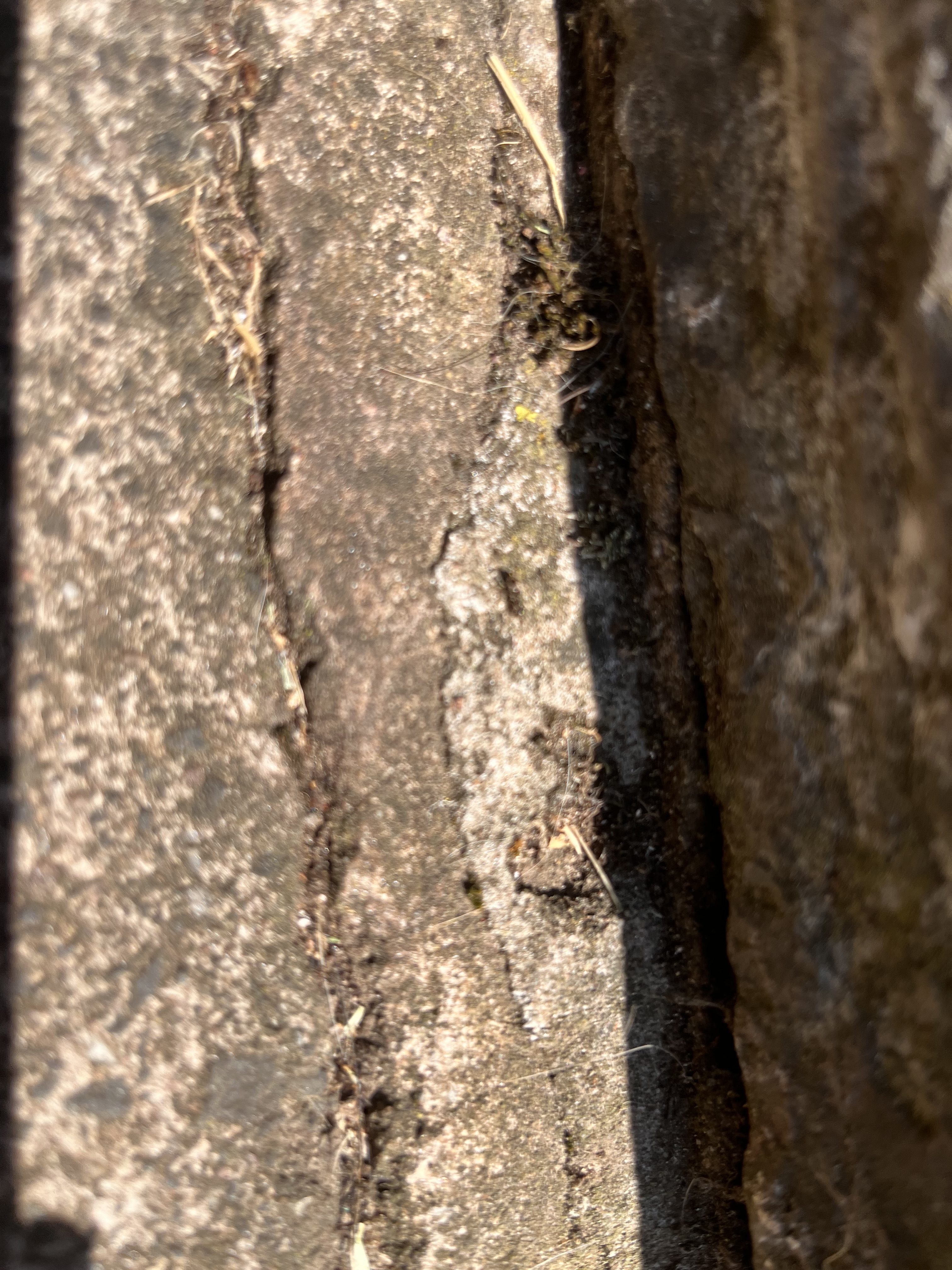
The single most useful thing you can do before calling anyone is spend two minutes watching the trail rather than wiping it away. Follow it back — does it lead to a gap under the skirting board, a crack in the patio, a joint around the back door frame? That's the entry point, and it's usually a far better clue to where the nest is than staring at the worktop where you first spotted them.
Where I'm actually finding the nests this year
- Under paving slabs and patios, especially south-facing ones that warm up quickly — a genuine favourite in gardens across Coventry's older terraced streets
- Along the base of exterior walls, particularly where pointing has worn away or a bit of render has cracked
- In flower beds close to the house, especially in light, well-drained soil
- Occasionally inside wall cavities, if there's a persistent damp or moisture source keeping conditions right
Where DIY genuinely works — and where it doesn't
I'll say this honestly, because plenty of pest controllers won't: for a small, contained trail with an accessible nest nearby, a proper bait product can work. The trick is understanding why it works. A bait doesn't kill on contact — worker ants carry it back and share it through the colony, which is the only way you actually shut the whole thing down. Sprays and surface treatments only ever deal with what's visible.
Where I'd stop trying it yourself and get someone in:
- The trail keeps coming back within days of treating it, which usually means you're missing the actual nest
- You're seeing multiple trails from different directions, suggesting more than one colony or entry point
- The ants are small, yellowish and around 2mm rather than the usual 3–5mm black garden ant — that's a different species entirely, and treating it the wrong way can split the colony and make things considerably worse rather than better
- It's a food business, kitchen or anywhere hygiene standards matter, where you can't afford trial and error
Keeping them out once you're clear
- Wipe down the actual route with a vinegar-water solution rather than just a general clean — it breaks down the pheromone trail rather than leaving a fresh scent behind
- Seal obvious gaps around door and window frames, and any cracks where render or pointing has failed
- Keep worktops properly clear of crumbs and sugary residue overnight — ants are largely nocturnal foragers, so an unwiped surface at bedtime is doing half their work for them
- Check guttering and drainage isn't leaving damp patches near the foundations, since ants are drawn to reliable moisture as much as food
If you're seeing trails that won't quit, or something that doesn't quite look like the usual black garden ant, it's worth getting it identified properly rather than working through a shelf of supermarket products one at a time. Half the job is knowing exactly what you're dealing with before you treat it — and around Coventry, that's usually where I end up earning my callout.